
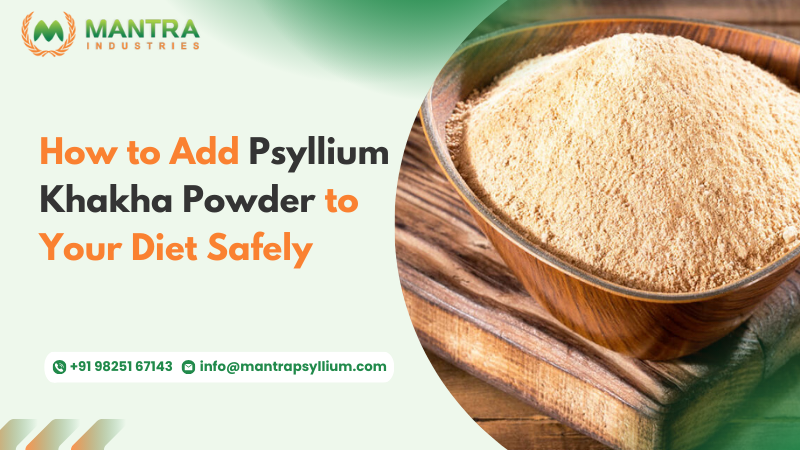
Psyllium Khakha Powder has become increasingly popular as more people look for natural ways to support digestion, improve fiber intake, and add plant-based ingredients to their daily routines. While psyllium is often used in supplements, the Khakha form-derived from the outer covering of the psyllium seed-is valued for its purity, coarse texture, and versatility in foods. If you’re exploring psyllium khakha powder uses or searching for practical ways to incorporate it into your meals, this guide offers easy tips, recipes, and safety guidelines.
Before adding any new supplement or fiber-rich ingredient to your diet, it’s always a good idea to check with a healthcare professional-especially if you have underlying health conditions or take medication. This article provides general educational information and is not a medical prescription.
What Is Psyllium Khakha Powder?
Psyllium Khakha Powder is produced from the husk of the Plantago ovata plant. Unlike finely milled psyllium husk, Khakha powder is slightly coarser, making it suitable for baking, thickening, and fiber enrichment. In India, it is widely used by manufacturers that specialize in fiber-based wellness products, and many exporters supply it globally.
Industries rely heavily on high-quality psyllium, and a Psyllium Products Manufacturer Company India typically ensures strict processing standards to maintain purity, hygiene, and consistency of the powder.
Why People Use Psyllium Khakha Powder?
Here are some common psyllium khakha powder uses in daily diets:
- To increase dietary fiber intake naturally
- To support digestive regularity
- As a binding agent in gluten-free foods
- In recipes that require thickening or texture enhancement
- For balanced nutrition in plant-based diets
Its ability to absorb water and expand makes it effective in foods and helpful for promoting fullness.
How to Add Psyllium Khakha Powder to Diet Safely?
Introducing psyllium into your diet should always be done gradually. Because psyllium absorbs water, taking too much at once without sufficient hydration can cause discomfort. Here are some safe, practical ways to begin.
1. Start with Small, Measured Amounts
If you’re wondering how to add psyllium khakha powder to diet effectively, begin with ½ teaspoon per day. Gradually increase based on how your body responds. This slow approach allows your digestive system to adjust comfortably.
2. Always Pair Psyllium with Enough Water
Hydration is essential when consuming psyllium. Mix the powder into:
- A full glass of water
- Fresh juice
- Warm herbal tea
Drink immediately after mixing, as psyllium thickens quickly.
3. Use in Morning Smoothies
Adding ½ to 1 teaspoon of Psyllium Khakha Powder to smoothies is one of the easiest ways to increase fiber intake. Popular combinations include:
- Banana + oats + psyllium
- Berries + yogurt + psyllium
- Mango + coconut water + psyllium
This method enhances texture and helps keep you feeling full longer.
4. Add to Soups, Gravies, and Curries
Psyllium acts as a natural thickener without altering flavor. Stir a small amount into hot soups or curries. This is particularly helpful for people who prefer savory psyllium khakha powder uses in daily meals.
5. Mix into Roti, Paratha, or Bread Dough
In Indian kitchens, adding psyllium to wheat flour is a practical and popular option. It:
- Improves dough softness
- Enhances fiber content
- Supports better digestion
Add 1–2 teaspoons of Psyllium Khakha Powder per cup of flour and knead as usual.
6. Make High-Fiber Baked Goods
If you love baking, psyllium khakha powder recipes can transform your kitchen creations. It works well in:
- Gluten-free bread
- Muffins
- Energy bars
- Crackers
Psyllium helps bind ingredients together, improving texture and moisture.
7. Create Fiber-Rich Breakfast Bowls
Sprinkle a small amount into:
- Yogurt bowls
- Oatmeal
- Chia pudding
- Muesli mixes
This adds a natural fiber boost without changing flavor significantly.
Delicious Psyllium Khakha Powder Recipes
Here are two simple recipe ideas you can include in your blog or use at home:
Recipe 1: High-Fiber Breakfast Drink
Ingredients
- 1 cup warm water or milk
- 1 teaspoon Psyllium Khakha Powder
- Honey or jaggery (optional)
Instructions
- Add psyllium to warm water.
- Stir quickly and drink immediately.
- Follow with another half glass of water.
Recipe 2: Psyllium-Infused Roti
Ingredients
- 1 cup whole wheat flour
- 1–2 teaspoons Psyllium Khakha Powder
- Water as needed
- Salt (optional)
Instructions
- Mix flour and psyllium.
- Add water gradually to form soft dough.
- Rest for 10 minutes and roll into rotis.
- Cook on hot tawa until golden.
Safety Tips When Using Psyllium Khakha Powder
To ensure safe consumption:
- Do not exceed recommended quantities without guidance.
- Increase water intake throughout the day.
- If you notice discomfort, reduce your dosage.
- Consult a healthcare provider if you have digestive disorders, difficulty swallowing, or chronic conditions.
Choosing Quality Psyllium Powder
Because purity matters, many buyers prefer sourcing from reputable manufacturers. A reliable Psyllium Products Manufacturer Company India typically follows strict grading, cleaning, and processing standards to deliver safe, contaminant-free products suitable for both food and industrial use.
Final Thoughts
Adding Psyllium Khakha Powder to your diet is simple when done safely and gradually. Whether you blend it into smoothies, add it to dough, or explore creative psyllium khakha powder recipes, this natural plant fiber can easily become part of your daily routine. Just remember to stay hydrated and listen to your body as you adjust your fiber intake.