
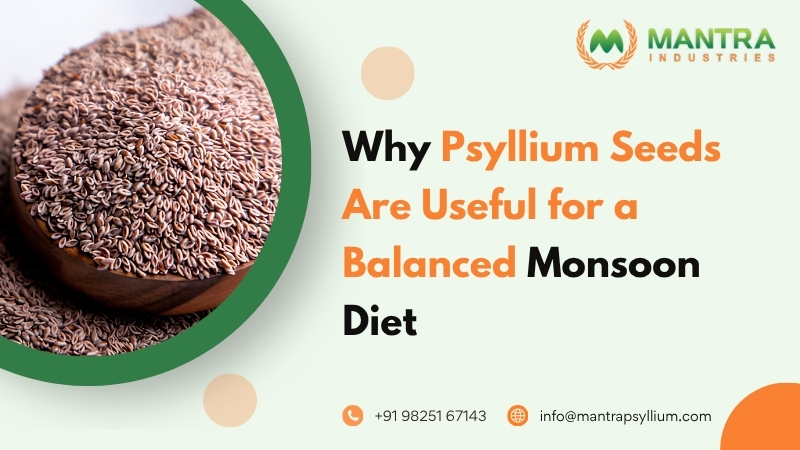
The monsoon season is cooler, fresher and a relief from hot summers. It can also affect what people eat on a daily basis, however. Snacks that are fried, heavier meals, inconsistent eating habits and less physical activity can make a balanced diet more difficult.
This is where the naturally fibre-rich foods can come to the aid in the seasonal nutrition. Including psyllium seeds in monsoon diet plans can be seen as one way to incorporate natural dietary fiber into the meals, without making the diet plan complicated and out of balance.
Psyllium seeds are naturally high in fiber and from the Plantago ovata plant. They are used in the food, nutritional, pharmaceutical and other industries. Mantra Psyllium offers psyllium seeds in the range of psyllium products.
Why Nutrition Matters During Monsoon
What you eat and when you eat it should not vary so much with the seasons, but the weather may affect your dietary choices. There can be an increase in eating of foods consumed during tea times, foods packaged for storage in the home, fried foods, and foods from restaurants during monsoon.
A balanced monsoon diet should focus on:
- Fresh and varied foods
- Adequate dietary fiber
- Sufficient fluid intake
- Fruits and vegetables
- Whole grains and other nutrient-rich foods
- Reasonable portion sizes
- Regular meal timings
Adding natural fiber foods to everyday meals can be one practical way to improve the overall nutritional balance of a seasonal diet.
What Makes Psyllium Seeds Different?
Psyllium seeds are the whole seeds of the Plantago ovata plant. Their outer portion contains a significant amount of dietary fiber, which is why psyllium is widely used in fiber-focused food and wellness products.
Psyllium seeds are particularly interesting because they can be processed into different psyllium ingredients, including husk and powder. This makes them useful not only for consumers but also for food manufacturers and other industries.
For businesses interested in the raw ingredient, explore Psyllium Seeds from Mantra Psyllium.
Psyllium Seeds Benefits in a Balanced Diet
When discussing psyllium seeds benefits, it is important to look at them as part of an overall healthy eating pattern rather than as a replacement for nutritious foods.
1. A Natural Source of Dietary Fiber
Dietary fiber is an important part of a balanced diet. Psyllium is valued for its fiber content and is commonly incorporated into fiber-rich food formulations.
Including fiber-containing ingredients alongside vegetables, fruits, whole grains, legumes, and other nutritious foods can help create a more balanced dietary pattern.
2. Easy to Incorporate Into Food Products
Psyllium-based ingredients are versatile and can be incorporated into different food applications.
Depending on the form and recipe, psyllium ingredients may be used in:
- Bakery products
- Breakfast foods
- Fiber-enriched foods
- Smoothies
- Nutritional formulations
- Functional food products
This flexibility makes psyllium an interesting ingredient for people and manufacturers looking to increase fiber content in suitable food products.
3. Complements a Healthy Lifestyle
No single ingredient creates a healthy diet. Instead, nutrition depends on the combination of food choices, hydration, physical activity, sleep, and other lifestyle habits.
Psyllium seeds can complement this approach by providing a natural source of dietary fiber as part of a varied diet.
How to Include Psyllium Seeds in a Monsoon Diet
The best approach is to keep seasonal nutrition simple. Rather than making major changes, consider how fiber-rich ingredients can fit into meals you already enjoy.
Add Fiber to Breakfast
Breakfast can include oats, whole grains, fruits, seeds, or other fiber-rich ingredients. Depending on the food formulation, psyllium-derived ingredients can also be incorporated into breakfast products.
Choose Balanced Snacks
Instead of relying entirely on fried monsoon snacks, consider alternatives such as:
- Fresh fruit
- Roasted grains or legumes
- Yogurt-based snacks
- Nuts and seeds
- Homemade fiber-rich preparations
Focus on Overall Meal Quality
A healthy monsoon diet should contain a variety of food groups rather than relying heavily on one ingredient.
Think of your meals as a combination of:
Fiber + protein + healthy fats + carbohydrates + adequate fluids
This approach is more sustainable than following restrictive seasonal diets.
Practical Monsoon Nutrition Tips
Following a few simple monsoon nutrition tips can make healthy eating easier throughout the rainy season.
(1) Prefer Freshly Prepared Foods
Freshly prepared meals can be easier to manage than foods that have been stored for long periods, particularly when humidity is high.
(2) Maintain Regular Hydration
Cooler weather may reduce the sensation of thirst, but maintaining adequate fluid intake remains an important part of everyday nutrition.
(3) Limit Excessive Fried Foods
Monsoon snacks are tempting, but consuming large amounts of fried or heavily processed foods can make it harder to maintain a balanced diet.
(4) Increase Variety
Include different fruits, vegetables, grains, pulses, and other nutritious foods instead of depending on the same foods every day.
(5) Make Fiber a Regular Part of Your Diet
Rather than suddenly increasing fiber intake during monsoon, build a consistent dietary pattern that includes naturally fiber-rich foods.
Psyllium Seeds for Food and Nutrition Applications
The usefulness of psyllium extends beyond individual diets. Psyllium seeds are important raw materials for manufacturers producing fiber-focused foods, nutritional products, and other formulations.
Mantra Psyllium’s website identifies psyllium seeds as naturally fiber-rich and notes their use in dietary supplements and functional foods.
For businesses looking for a broader range of psyllium ingredients, the company’s Psyllium Husk Powder can be explored for food and beverage applications.
This relationship between psyllium seeds and processed psyllium ingredients also makes the raw seed an important part of the wider psyllium supply chain.
Things to Remember Before Adding More Fiber
Although fiber is an important part of a balanced diet, increasing fiber intake should be approached sensibly.
Keep these points in mind:
- Increase fiber gradually if your existing diet is low in fiber.
- Drink adequate fluids as part of a healthy diet.
- Choose a variety of fiber sources.
- Follow product-specific preparation instructions.
- People with particular dietary or medical requirements should seek professional advice before making significant dietary changes.
The goal is not to depend on psyllium alone, but to use it appropriately within an overall nutritious eating pattern.
Frequently Asked Questions
(1) Are psyllium seeds suitable for a monsoon diet?
Psyllium seeds can be incorporated into a balanced seasonal diet as a source of dietary fiber. They should complement, rather than replace, a varied diet containing fruits, vegetables, grains, legumes, and other nutritious foods.
(2) What are the main psyllium seeds benefits?
The primary nutritional appeal of psyllium is its natural dietary fiber content. Psyllium ingredients are also versatile and are used in various food and nutritional applications.
(3) What are good natural fiber foods for the monsoon?
Fruits, vegetables, whole grains, legumes, nuts, seeds, and psyllium-based ingredients can all contribute to dietary fiber intake. A varied diet is preferable to relying on one source.
(4) How can I maintain a healthy monsoon diet?
Focus on fresh and varied foods, adequate fluids, regular meals, reasonable portions, and a good balance of fiber, protein, carbohydrates, and healthy fats.
Conclusion
A balanced seasonal diet does not need to be complicated. During monsoon, simple choices such as eating a wider variety of foods, maintaining hydration, limiting excessive fried snacks, and including natural fiber foods can help create healthier eating habits.
Psyllium seeds for monsoon diet plans can be a useful fiber-rich ingredient when incorporated appropriately into a varied eating pattern. The psyllium seeds benefits are best considered as part of an overall approach to nutrition rather than as a standalone solution.
By combining psyllium and other fiber-rich foods with fresh meals, sensible portions, adequate fluids, and practical monsoon nutrition tips, consumers can maintain a more balanced approach to seasonal eating. For manufacturers and food businesses, psyllium seeds also offer a versatile raw material for developing fiber-focused food and nutritional products.